A solo studio is releasing a serialised AI romance in Seedance 2.5, and episode two shows what working AI filmmakers can learn from it
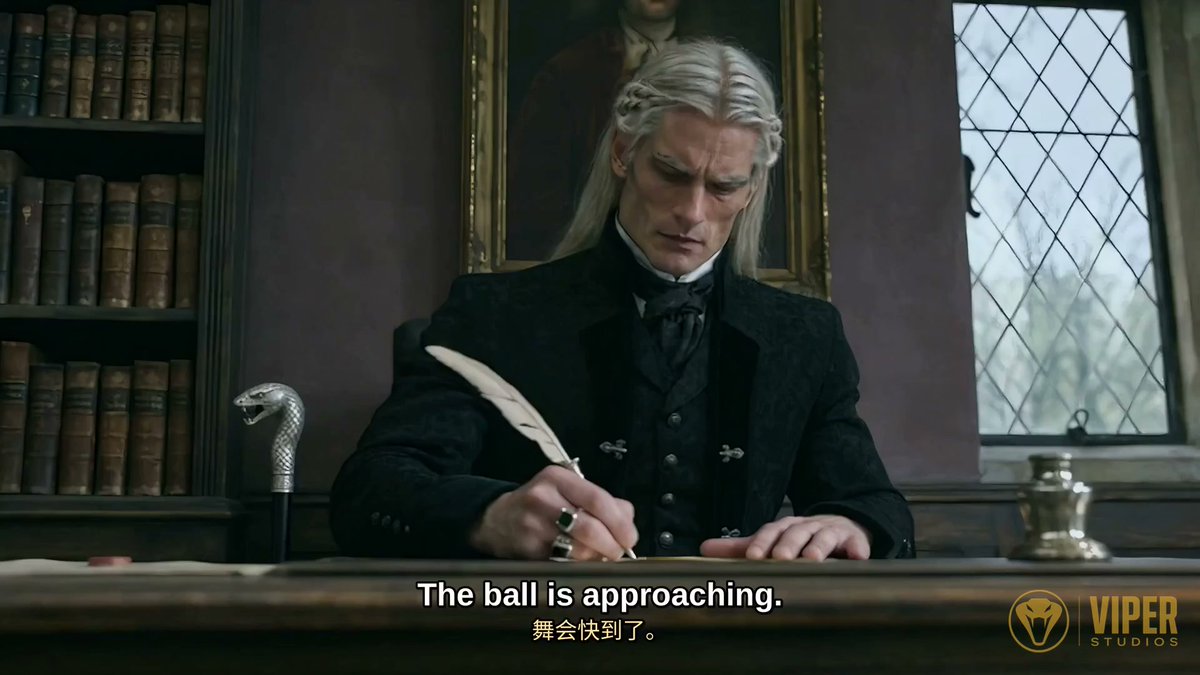
Viper Studios has released episode two of The Draconia Affair, an original character-led series made in Seedance 2.5 through Topview. Other creators are already making fan clips of its lead.
Episode two of a serialised AI romance is out, and it is a better test of Seedance 2.5 than most of the single clips flooding your timeline. Viper Studios has released The Draconia Affair: Episode 2, per its own post. The hook is simple and it works. Forbidden from seeing Potter by her father, Malfoid swears to stay away, then turns up at Potions anyway with fresh lipstick and an offer to tutor him.
The studio says the lead, Mei Hawthorne, is an original character created by Viper Studios. It says the episode was generated in Seedance 2.5 inside @TopviewAIhq. That is the part worth your attention. A one-off clip proves a model can look good for ten seconds. An episode two proves someone is trying to keep a character recognisable from one release to the next, which is the actual problem in AI filmmaking.
Why a second episode matters more than a first
Most Seedance 2.5 posts this week are standalone showpieces: a pyramid, a dragon, a zombie bus. They are impressive and they are disposable. A series asks harder questions. Does the face hold between episodes? Does the tone survive a change of scene? Does the audience come back?
Viper Studios is asking those questions in public, and the audience seems to be answering. Other creators are making their own Malfoid clips. @lexx_aura posted a short with the line "Malfoy never runs out of tricks", and @MadMax_Series posted a wizard's duel with the same character, made in Higgsfield with Seedance 2.5. Both use the #malfoid tag. That is a small, informal fan economy forming around a character, which is exactly what episodic work is meant to produce.
What was not said
The post gives no length for the episode, no shot count and no cost. It does not say how many generations were thrown away, how the character was kept consistent, or whether reference images were used. Treat the result as one creator's finished output, not a benchmark of the model. Anecdotes are not tests.
There is also an obvious rights question. The setting borrows heavily from a famous wizarding school, and the character names sit very close to existing franchise names. Viper Studios calls its lead an original character, but the world around her is recognisable. That is fine for a fan experiment. It is a real obstacle if you want to sell, license or monetise a series on a platform with strict takedown rules. Nothing in the posts says how the studio plans to handle that.
No release schedule has been announced either. We do not know whether there is a third episode, how often they will land, or whether the series moves to a longer format.
What to test first
If you want to learn from this, do not copy the premise. Copy the structure.
1. Build one character sheet and reuse it. Write down the face, hair, clothing and one signature detail, such as the lipstick here. Feed the same reference into every clip.
2. Write one-line episode hooks. The synopsis above is a single sentence with a reversal in it. That is easy to prompt and easy for an audience to repeat.
3. Make episode two before you judge episode one. Consistency only shows when you compare outputs across sessions, not within one.
4. Use original names and settings. If you plan to publish for money, avoid the franchise adjacency altogether.
The broader point is that Seedance 2.5 is now cheap enough and fast enough that small teams can attempt serial work instead of single clips. Whether a given series holds together is a matter of craft, not model choice. Watch how episode three looks next to episode one, and judge the studio on that.