Higgsfield's new Drama Ads turns any product into a short drama with captions and sound, ready to post in one click
Higgsfield has launched Drama Ads, a format that wraps a product in a scripted drama with organic placement, editing, captions and sound included. Here is what it changes for AI ad makers, and what to test first.
Higgsfield has launched Drama Ads, and the pitch is blunt. Take any product, and the tool turns it into a short drama with the product placed inside the story. The company calls it the most viral ads format for any product. That is a marketing claim, not a measurement, but the direction is clear.
The feature list in the announcement is what matters to anyone who makes ads. Organic product placement. Editing, captions and sound included. Ready to post in one click. In other words, Higgsfield is not selling you a clip to take into an editor. It is selling you the finished post. @higgsfield_ai says Drama Ads is available now on the platform.
What this changes in a real workflow
Until now, a scripted-drama ad made with AI video meant stitching several jobs together. You wrote the scene, generated the shots, cut them, added captions, then found or generated sound. Each step was a separate tool and a separate chance to lose the plot.
Drama Ads collapses that into one pass. For a small brand or a freelancer turning round ten variations in an afternoon, that is the real saving. It is also where the risk sits. When captions, cut and sound arrive pre-decided, you hand over a lot of taste to a template.
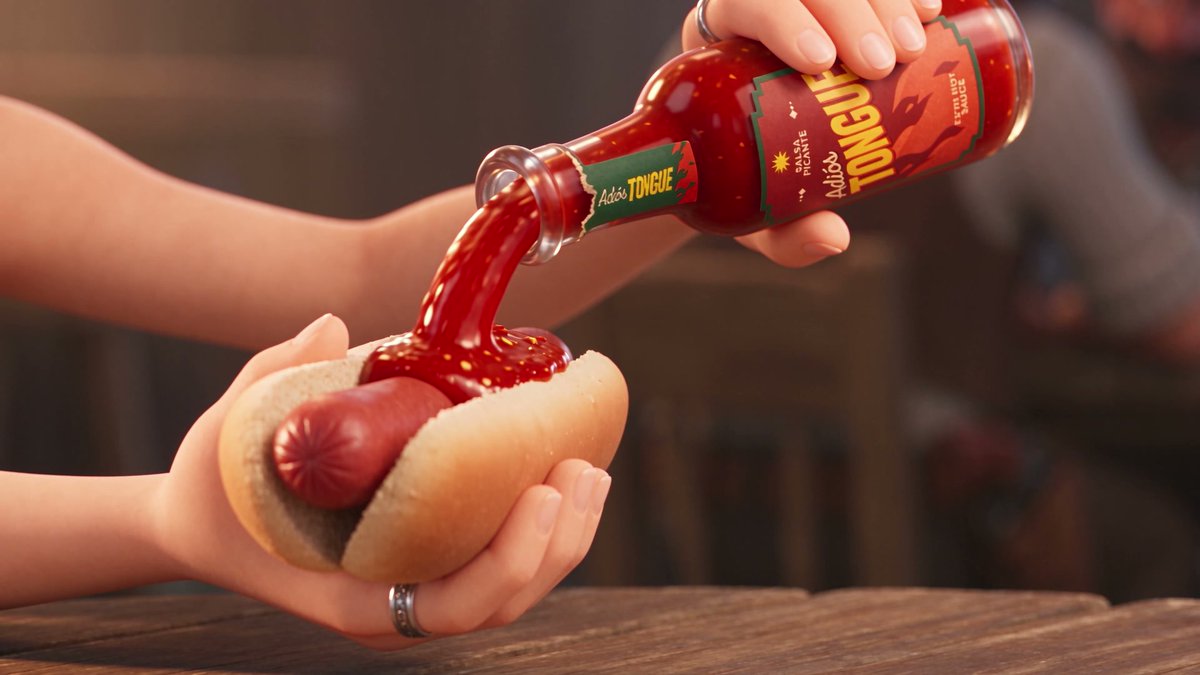
The phrase to watch is organic product placement. The best drama ads hide the sell inside a story people want to finish. The worst ones pause the story so a bottle can face the camera. Which one Higgsfield produces is the whole question, and one launch video cannot answer it.
How it sits against the alternative
The alternative is a general video model plus your own edit. That route gives you control over every frame, and it costs time. Drama Ads trades control for speed and for a format that already looks like what performs on social feeds.
That trade is fair for volume work, such as testing hooks, plots and products against each other. It is a poor fit if a client has strict brand guidelines on tone, casting or colour, because you will be working inside someone else's template.
What was not said
The announcement leaves out several things you need before you commit a client budget.
- Pricing. There is no price, credit cost or plan tier in the post.
- Models. It does not say which video model generates the drama.
- Length and ratio. No clip duration or aspect ratios are given.
- Control. It is unclear whether you can edit the script, swap shots or change the captions after generation.
- Rights. There is nothing on commercial licensing for the output, or on how a real product's packaging is kept accurate.
- Evidence. The most viral claim comes with no numbers. Anecdotes are not benchmarks, and one demo reel is not a hit rate.
What to test first
Start with a product you know well, so you can spot where the placement drifts. Run it on something with legible packaging, because logo and label fidelity is where AI product shots tend to wobble. Check the label on every shot, not just the hero frame.
Then test the one-click promise honestly. Export, post to a private account, and see whether the captions and sound hold up on a phone with the sound off and then on. If you would still re-cut it, you have learned how much of the one click is real.
Finally, run three different products through it. If all three dramas share the same plot beats, the format is a template, and audiences will notice that faster than you expect.
Drama Ads is worth an hour of your time this week, mainly for fast ad variations. Keep your own edit for anything a client will scrutinise.