Multiple creators are using GPT-6 Astra as a pre-production brain before CapCut PC and Seedance 2.5, and it turns AI video into a three-act production discipline
A cluster of independent AI filmmakers has independently converged on the same workflow: GPT-6 Astra maps scenes and camera logic, CapCut PC handles the edit frame, and Seedance 2.5 renders. What looks like a tech stack is actually a philosophy shift.
Something is crystallising in the AI filmmaking community this week, and it is not a single product announcement. It is a methodology. Independently, and without apparent coordination, a growing number of working AI video creators have landed on the same three-stage pipeline: GPT-6 Astra in pre-production to map scenes and camera logic, CapCut PC in production as the editorial frame, and Seedance 2.5 for the final render. The consistency of the pattern across unconnected accounts suggests this is not a trend being pushed from above. It is a workflow being discovered from below.
The framing is explicit in how creators are describing it. "What happens before frame one matters as much as the model," writes @AIByLeo and @AliceInTheData in near-identical terms. "GPT-6 Astra maps the scene plus camera and character moves, CapCut PC, Seedance 2.5 renders, CapCut PC to finish. Pre-pro plus pro plus post." @JaydenCoach puts the same logic more bluntly: treating AI video like real production means thinking in terms of space, camera, character, and sequence, not just cool shots. @itsshara_ai calls the shift a move from asking AI for a clip to giving it a production plan.
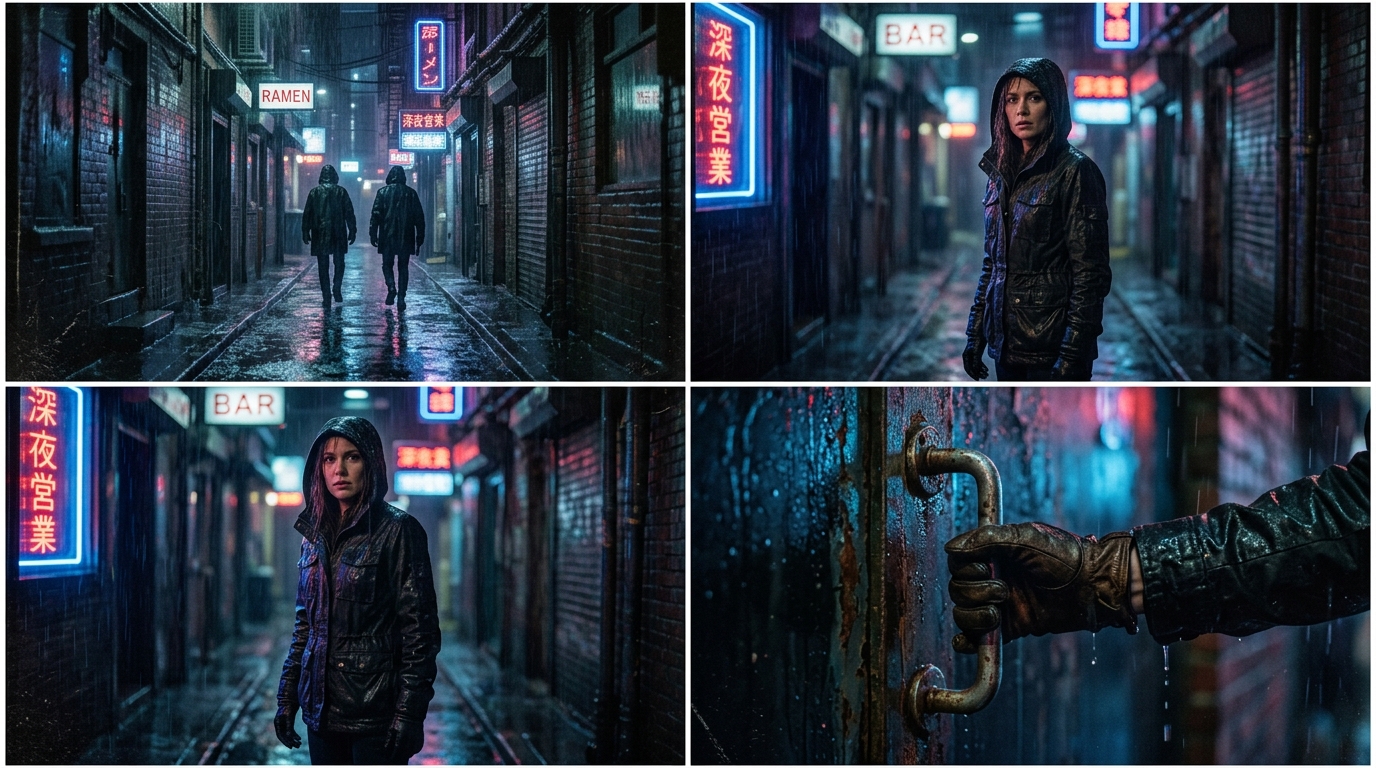
What the pipeline actually looks like
In practice, Astra is being used as a spatial reasoner and shot planner. Creators describe it establishing the 3D layout of a scene, defining where the camera sits, and setting out character blocking before a single frame is generated. That output, whether a written breakdown or a rough spatial description, then travels into CapCut PC as the editorial scaffold. Seedance 2.5 handles the render pass. CapCut PC closes the loop in post.
The attraction is structural. Seedance 2.5 is widely considered the strongest closed video model available right now, but like any generation model it responds to the quality of its input. Astra's pre-production stage, in effect, raises the floor of that input. Instead of a text prompt written cold, the model receives a spatially coherent scene brief with camera intent already resolved. Creators report that this reduces the iteration cycle and produces more consistent results shot to shot.
What is still unknown
Several caveats deserve attention. None of the accounts citing this pipeline are primary sources for the tools themselves. These are independent creators describing their own working methods, and anecdotes are not benchmarks. No one has published a controlled comparison showing this workflow outperforms a well-crafted single-prompt approach on a measurable metric. The consistency of the results depends entirely on how well Astra's scene planning is constructed, and that is itself a new skill to learn.
It is also worth noting that CapCut PC's role in the pipeline is described inconsistently. Some creators use it primarily as an edit timeline; others imply it plays a role in bridging Astra's output to Seedance. The exact nature of that bridge is not publicly documented and may vary by creator. No pricing tiers, API limits, or specific CapCut PC feature sets are cited in any of the posts.
Finally, the hashtag cluster suggesting the workflow, `#CapCutPC #GPT6Astra #AIVideo #Seedance25`, appears across multiple accounts in identical form, which raises the possibility of an informal content campaign rather than fully independent discovery. That does not invalidate the workflow, but it means the apparent grassroots convergence may be partly coordinated.
What it means for working AI filmmakers
The genuine insight here is the disciplinary one, and it holds regardless of the exact tools. AI video generation has long suffered from a front-loading problem: creators spend enormous time on prompts and very little time on pre-production thinking. What this pipeline proposes is a reversal. Resolve the spatial and narrative logic first. Let the generation model execute against a plan rather than invent one.
If you are already using Seedance 2.5 and hitting consistency walls between shots, the first thing to test is not a different prompt. It is whether Astra (or any structured scene-planning tool) can establish spatial continuity before you generate a single frame. Block the shot. Define the camera move. State the character position. Then render.
What is genuinely new here is not any individual tool but the normalisation of pre-production as a distinct phase in AI filmmaking. That framing, pre-pro, pro, post, is how film has always been made. The fact that multiple creators are independently arriving at it in the context of AI video suggests the field is maturing past the one-prompt-one-shot era. Whether this specific three-tool combination is the canonical path remains to be seen. But the discipline it encodes is worth taking seriously now.
---
Sources: The announcement by @AIByLeo | Corroborating workflow post by @AliceInTheData | Production framing by @JaydenCoach | Pre-production philosophy by @itsshara_ai