Luma's Dream Lab LA is putting real actors on live sets that change on the spot, and Fortune has been inside
Luma says its Dream Lab LA runs hybrid production with real actors, live sets and a crew working with AI in the room. Here is what that could mean for filmmakers, and what Luma has not said.
Luma has pointed to something AI filmmakers rarely get to see: a working studio. Its Dream Lab LA is, in the company's words, "in the studio cooking up heat", with real actors, live sets that change on the spot, and a crew working with AI in the room.
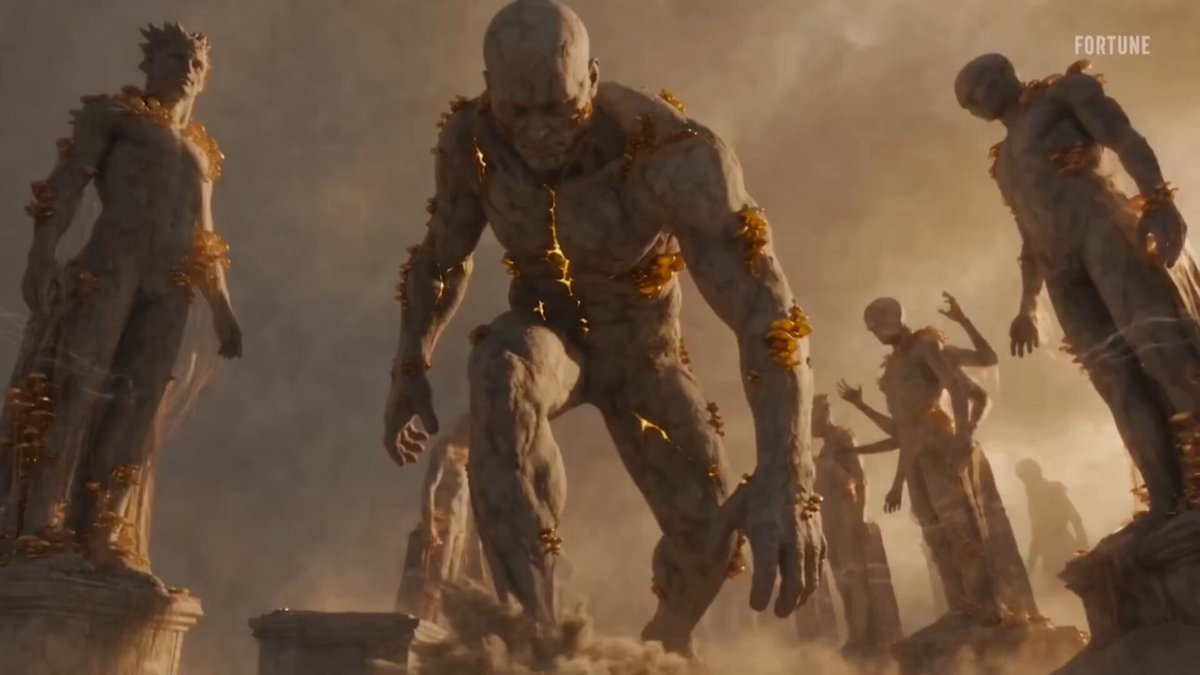
That is the pitch in one line, and it is a good one. Most AI video still happens alone, one prompt and one clip at a time. Luma is describing the opposite: people on a stage, a set that shifts while the cameras are up, and AI treated as another department on the call sheet. Fortune went inside to see it, and Luma shared the piece through its official account, @LumaLabsAI, on 7 November.
What Luma actually said
Very little, and it is worth being clear about that. The post is a short promotional line with a link to the Fortune report. It names @DreamLabLA as the venue and calls the approach hybrid production. It does not say which Luma model the crew uses, what the AI does on set, or how fast the sets change.
There is no release date, because nothing is being released. There is no pricing, because Dream Lab LA is not presented as a product you can buy or book. There is no list of productions, no budget, and no named actors or clients. Anything beyond the three claims above, real actors, live sets that change on the spot, and AI in the room, would be guesswork on our part.
I have not seen the Fortune article's full text, so I am not going to describe what it found.
Why it matters for your workflow
Hybrid production is where the interesting money and craft are heading. A fully generated short is cheap but hard to direct for performance. A fully traditional shoot gives you real acting but locks you into the set you built. A setup that keeps human performers and lets the environment change on the spot sits between the two, and it suggests a different division of labour.
If Luma's description holds up, the AI is not replacing the actor. It is replacing the part of production that is slowest to change: the background, the world, the thing behind the person. That is a very different claim from the usual text-to-video promise, and a more believable one.
Compared with the current alternative, shooting on a green screen and compositing later, the appeal is obvious. Directors and actors would see the world they are working in, rather than a wall of green and a note about what goes there later. Whether Luma's version delivers that, with acceptable latency and image quality, is the open question.
What is still unknown
- Which models or tools drive the live sets, and whether any of this is available outside Luma's own facility.
- How much the sets can change in real time, and how much is prepared in advance.
- Who pays for it. A purpose-built studio is a big overhead, and the post says nothing about access for independent filmmakers.
- Whether the results are good enough to ship, or whether this is a demonstration space.
An anecdote from a magazine visit is not a benchmark. It tells us how Luma wants to be seen, not how the pipeline performs.
What to do with it
You do not need Dream Lab LA to test the idea. If you shoot any live-action, try the smaller version this week. Film an actor against a plain backdrop, then use your preferred video model to build two or three alternative environments around the same performance, and compare the results with a conventional composite. Note where the lighting and edges fall apart. That is exactly the gap hybrid studios will have to close.
Also read the Fortune piece itself before forming a view. Luma's post is a trailer for it, and the detail will be there, not here. If a way to book or license the space appears, we will report it.