Kling 4.0 is now fully available, and the first Higgsfield demos show claymation, anime and game-style footage that AI filmmakers can test today
Kling has confirmed Kling 4.0 is fully available, and early Higgsfield demos cover claymation, anime, racing-game chase cams and a stop-motion piece generated in 15 minutes.
Kling 4.0 is out. Not teased, not queued, not coming in October. The official @Kling_ai account says the model is now fully available on its platform, promising more refined motion, more precise creative control and professional-grade audiovisual output.
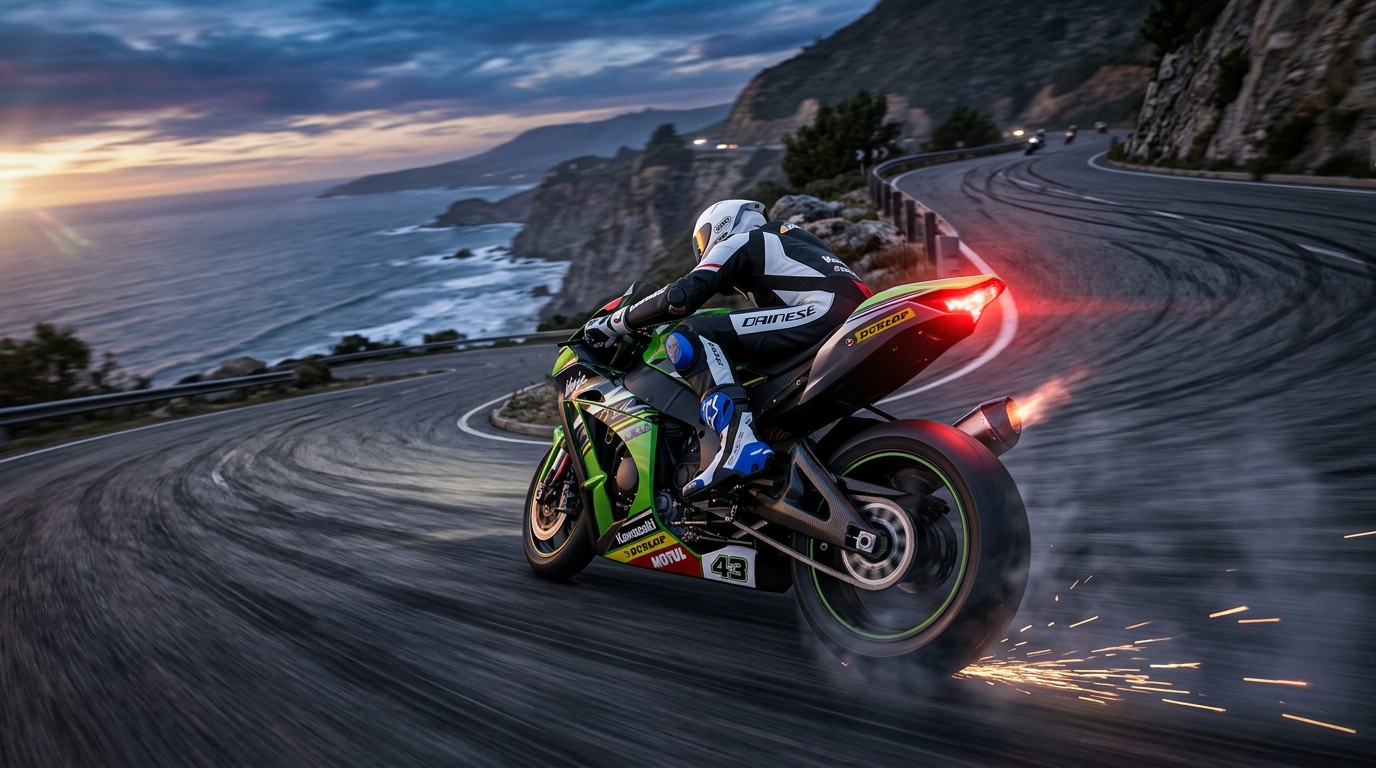
The proof arrived within hours. @higgsfield_ai pushed out a run of Kling 4.0 clips, and they are not one genre. A claymation piece it calls "scary good". An anime-style generation. A racing-game chase shot with a bike, a following camera and lighting that reads as AAA footage. A gameplay concept where the camera follows a character through tight spaces and out into open sky. And a stop-motion sequence Higgsfield says Kling 4.0 produced in one shot in 15 minutes. For anyone who has spent a weekend fighting a model over a single consistent look, that last claim is the one to watch.
What Kling actually said
The announcement came with a panel. At Advertising Week New York 2026, Kling joined WPP and Adobe to discuss AI video moving from creative experimentation into real production. Kling's framing is telling: the next phase is "not just about better generation" but about connecting models, tools and workflows so ideas scale with greater consistency and control.
Read that as a positioning statement. Kling is courting agencies and brand production, not just the clip-sharing crowd. That matters if you pitch commercial work, because it signals where the roadmap will lean: control and repeatability over raw spectacle.
How to read the demos
The Higgsfield clips are marketing. Higgsfield is a distribution partner showing its own platform, and every clip is a selected result. We do not know how many generations sat behind each one, what prompts or references were used, or what was cleaned up afterwards. The "15 minutes" figure has no stated breakdown. Does it include prompt iteration, or is it one render? Nobody has said.
There is also no pricing in any of these posts, no credit cost per second, and no stated clip length or resolution for the demos. The pre-release specs reported earlier, including 4K HDR output and a 15-reference Omni mode, are not restated in these posts, so treat them as unconfirmed until you see them in the product.
What the clips do show is range. Claymation, anime and game-camera language are three very different looks, and stylised work is where models usually fall apart first, because texture and motion rules differ from photoreal. Clay needs a tactile, slightly stuttering rhythm. Anime needs clean line and held poses. A chase cam needs believable speed and parallax. Seeing all three from one model is the interesting part.
What to test first
Start with stylised motion, since that is where the demos are strongest and where a miss is easiest to spot.
1. Claymation and stop-motion. Run the same short brief three times and check whether the stepped, handmade cadence holds across takes. If it does, that is a real shortcut for title sequences and music videos.
2. Camera continuity. Copy the gameplay-concept idea: a tracking move through a tight space into open sky. Check for cuts, warping and geometry drift at the transition.
3. Vehicle and speed shots. The bike chase is a good stress test for lighting consistency across a fast move.
4. Cost per usable second. Log every generation, including failures. The honest number is spend divided by keepers, not the price per render.
If you work in brand or advertising, the Advertising Week framing suggests Kling wants you as a customer. Ask for specifics on consistency and control before you commit a client job to it. Until pricing and generation limits are public, run it on a personal project first and keep your current model as a fallback.