Higgsfield's new Short Drama Studio turns a script into a full season with the same cast in every episode
Higgsfield has launched Short Drama Studio, which promises a full season of short drama from one script, with a consistent cast and vertical, widescreen or 4:3 formats. Here is what to test before you commit.
Higgsfield has launched Short Drama Studio, and the pitch is blunt. You drop in a script and you get a full season of short drama. Not a single clip. A season.
According to the announcement from @higgsfield_ai, the tool handles any style, from dark fantasy to 90s high school. It keeps the same cast in every episode. It outputs in 9:16, 16:9 or 4:3. It is live now on Higgsfield and inside Claude, and the company has tied it to a Black Friday discount of up to 65% off.
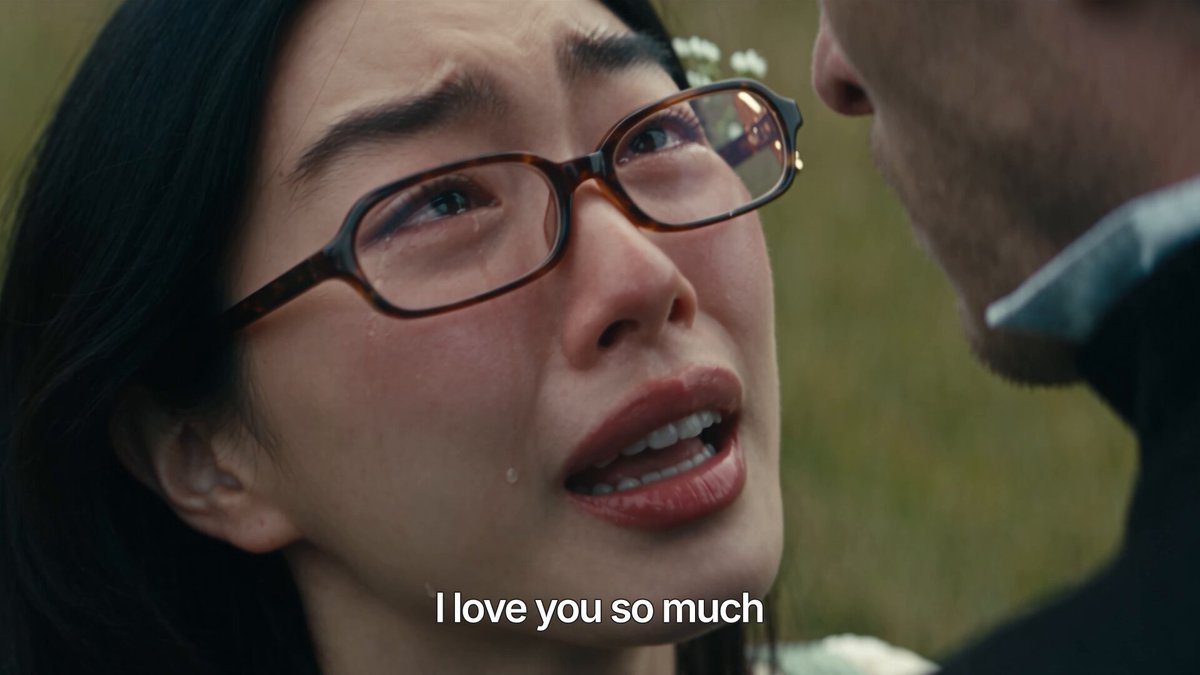
That is a serious claim, because the hard part of episodic AI video has never been one pretty shot. It is the fifth episode, when the lead's face has quietly changed and nobody can say when. If Short Drama Studio really holds a cast steady across a season, it solves the problem that keeps most AI series from feeling like series.
What the follow-up posts show
Higgsfield posted several short promos after the launch. They lean on story beats, not on specs. One is about a relationship drama, one about the quietest scenes being the hardest to write, and one about a Christmas gift becoming evidence in a reveal. The framing is clear. This is built for dialogue-led, twist-driven serial storytelling, the sort of thing that already works in vertical short drama.
A separate post says Short Drama Studio is also reachable through Higgsfield MCP. That matters if you already run agent-driven workflows. It means the tool can sit inside a larger pipeline, not just behind a web page.
What was not said
The announcement leaves out most of what a working filmmaker needs to budget a project.
- Pricing. The only number is "up to 65% off" for Black Friday. There is no per-episode cost, no credit cost and no indication of which plan the discount applies to. Up to 65% means some plan gets 65%, and probably not the one you want.
- Episode length and count. "A full season" is not a unit. We do not know how long an episode runs or how many episodes a season contains.
- Model. Higgsfield has not said which video model powers the output, or whether you can choose one.
- Control. It is unclear how much you can direct a scene once the script is in. Can you re-roll one shot, swap a line, or recut an episode without regenerating the lot?
- Dates. The tool is available now. There is no end date given for the Black Friday offer in the posts we have seen.
No example season has been published with the launch posts, and a promo clip is not a benchmark. Treat the consistency claim as a claim until you have seen your own cast hold across several episodes.
How it sits against the current way of working
Today, most people building a series stitch it together. They generate a character reference, push it through an image model, animate shots in a video model, then fix drift by hand. It works, but the consistency labour is yours.
Short Drama Studio moves that labour into the product. For a writer with a script and no appetite for shot-by-shot assembly, that is the appeal. For a director who wants control over framing and performance, a one-box season generator may feel like handing over the camera. Both can be true.
The three aspect ratios are a quiet strength. Vertical drama is where the audience and the money are, and 4:3 gives you a deliberately nostalgic frame for the 90s look Higgsfield uses as an example.
What to test first
1. Cast drift. Write a three-episode script with two leads and one recurring prop. Check faces, clothes and the prop in episode three against episode one.
2. A quiet scene. Higgsfield's own promo says the quietest scenes are the hardest. Give it a two-person scene with almost no action and see whether the performance holds.
3. A style switch. Run the same script in dark fantasy and in 90s high school. See whether the cast stays recognisable while the world changes.
4. The edit. Find out what you can change after generation. Cost per revision decides whether this is a production tool or a demo.
5. The discount. Before paying, work out your cost per finished episode at the discounted rate, not the headline percentage.
If the consistency holds, this is a real shortcut for serial storytelling. If it does not, you have lost a few credits and learned exactly where the limit sits. Either way, run the test before Black Friday pricing makes the decision for you.
Sources: the Short Drama Studio announcement, the relationship drama promo, the quiet scenes promo, the Christmas gift reveal promo, the Higgsfield MCP access post.