Higgsfield's $1,000,000 film festival has its winners, and every prompt and asset behind them is free to study
Three AI films shared $800,000 at the Higgsfield Global Film Festival, and Higgsfield has open-sourced each project with every prompt and asset included. Here is what to look at first.
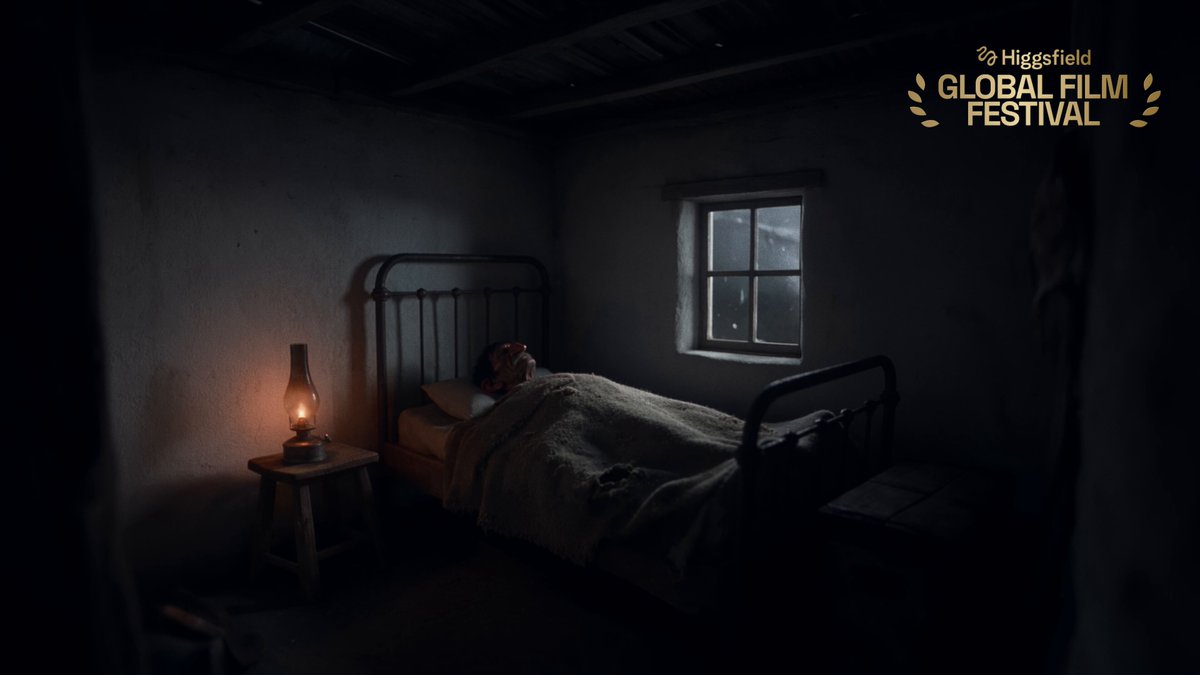
A gaucho, a sheep and a rooftop have just won $500,000. "Listen to Meh" by Manuel Montes de Oca took first place at the $1,000,000 Higgsfield Global Film Festival, and Higgsfield describes it as a beautifully crafted short about a gaucho and a sheep that keeps returning to his roof. It is a small, odd, human premise. That is probably why it won.
The rest of the podium is just as varied. "Fukushima" by AIST took second place and $200,000, a short film based on true events, told from inside Fukushima Daiichi. "The Field Agent" by Zack Murray took third and $100,000. Between them, three AI films shared $800,000, and a comedy, a documentary-style drama and a genre piece all landed in the money. The prize pool is the headline. The more useful part is what @higgsfield_ai did next.
The open-source part is the real prize
For each winner, Higgsfield has published an open-source project. Per the company, each one includes every prompt and asset. That is rare. Most AI film breakdowns are a thread of three screenshots and a vague "made with". Here you can, in principle, read the whole chain from first prompt to final shot.
For a working AI filmmaker, that is a free masterclass in three very different approaches. A comedy that relies on a single recurring gag needs character and prop consistency across many shots. A film set inside a real, sensitive location needs restraint and a clear point of view. A genre short needs pace. Seeing the prompts side by side will show you how three winners actually handled those problems.
What to test first
Start with "Listen to Meh". The sheep returning to the roof is a continuity test in disguise. Look at how the prompts describe the animal, the roof and the gaucho from shot to shot, and how much wording is repeated. Then copy the structure, not the content, and try it on your own recurring character.
Next, open "Fukushima". A film built on true events and told from a real, serious place is a different discipline from a comedy. Check how the assets are organised and how the prompts handle tone. It is the one to study if you make documentary-leaning or drama work.
Last, read "The Field Agent" for how a third-place film differs from the first. The gap in prize money is $400,000. The gap in craft is a question worth answering for yourself.
What was not said
The posts do not say which models or tools produced each film. They do not say how many entries there were, who judged, or what the criteria were. They do not say how long the projects took or what they cost to make. The project format is also not described, so check what you are actually getting before you plan around it.
There is also a commercial angle. Every winner post is paired with a sale: up to 60% off premium plans on Higgsfield. That is a perfectly normal thing for a company to do, but read the festival as marketing as well as a showcase. The films are real and the prizes are large. The sale is a prompt to subscribe.
The sale terms, end date and exact plan prices were not given in the posts, so check the page before you buy anything.
The takeaway
Ignore the discount and use the archive. Prompts from winning films are a better teacher than any tutorial, because they were tuned against a real finished piece. Pull all three projects, compare how each one structures its prompts, and steal the habits that apply to your own work. If you only have an evening, spend it on the sheep.
Sources: Higgsfield announcing "Listen to Meh" as first place, the open-source project for "Listen to Meh", "Fukushima" second place announcement, the open-source project for "Fukushima", "The Field Agent" third place announcement, the open-source breakdown of "The Field Agent".